What You Should Know Before Starting Water Damage Restoration in Southwest Florida
If you’ve lived in Fort Myers or anywhere nearby, you know water damage isn’t just something that “might” happen—it’s part of life here. The aftermath is never fun, whether it’s a hurricane, a heavy afternoon storm, or a busted pipe under the sink. And when the cleanup starts, you’ll hear one significant term repeatedly: water damage restoration.
At Emergency & Mold Specialists, we’ve helped many local folks get their homes back in shape after water damage. Before you start pulling up the carpet or cranking up fans, here are a few things you’ll want to know first—because, trust us, how you handle the first steps can save you time, money, and stress.
Pause and Take a Good Look Around First
When you walk into a soggy living room, your first instinct might be to grab some towels and start cleaning. Understandable. But before you jump in, it’s wise to pause and check things out.
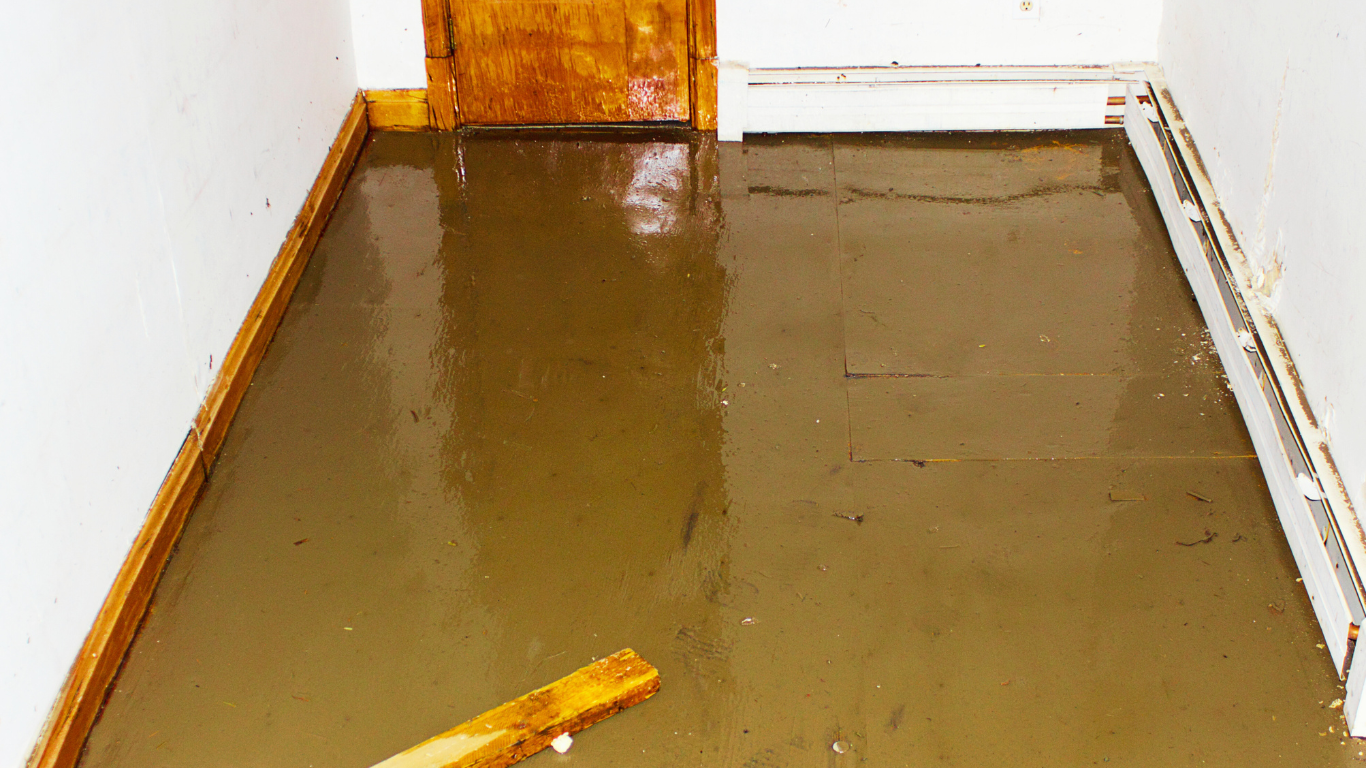
Is the water still coming in? Is there standing water near outlets or appliances? Are the floors slippery or unstable? Safety comes first—if anything feels sketchy, it probably is.
Also, take pictures. Seriously, your future self (and insurance company) will thank you. Snapshots of everything: wet floors, soaked furniture, the source of the leak—whatever’s affected. This kind of documentation can make insurance claims go a whole lot smoother.
Not All Water Is the Same (Gross, but True)
Many people are surprised to learn that water damage comes in different “types”—some are more dangerous than others.
- Clean water: Think of leaking sinks or pipes. It’s fresh and safe but needs fast cleanup before mold kicks in.
- Gray water: This is water from dishwashers or washing machines. It’s not clean, but it’s not disgusting—still, you probably don’t want to touch it.
- Blackwater: This is the bad stuff—like floodwater or sewage backups. It can contain bacteria or other nasty stuff and needs professional handling.
In Southwest Florida, we see a lot of storm-related black water during hurricane season. If you’re unsure what kind of water you’re dealing with, it’s best to play it safe and call someone who knows how to handle water damage restoration properly.
Mold Doesn’t Waste Time
Many people don’t realize that mold doesn’t wait around. Once water shows up, mold can grow in as little as 24 to 48 hours, especially in warm, humid Florida weather.
And mold isn’t always easy to spot right away. It can hide behind baseboards, inside walls, or under floors. That’s why acting quickly is key. Get things dried out fast, and if you’re not sure what’s going on behind the scenes, have someone look.
Emergency & Mold usually deals with tiny leaks that become significant mold issues because they would have been ignored for a few days. A little prevention goes a long way there.
Some Damage Stays Hidden
Even after the water’s gone, damage can still be hidden. Wet insulation, damp drywall, or moisture trapped under tile might look fine, but those spots can cause real problems over time.
This is where moisture meters and thermal cameras come in. These tools help detect hidden wet areas you’d miss by touch. You might not have access to that gear if you do the restoration yourself. And that’s okay—just be aware that a space looking dry doesn’t always mean it’s safe and sound.
In places like Cape Coral or Estero, we’ve helped homeowners catch hidden moisture before it turned into mold or rot. Little issues can get big fast, especially in our climate.
Not Everything Is Covered by Insurance
Here’s something nobody tells you until it’s too late: just because you have homeowners insurance doesn’t mean every kind of water damage is covered.
Sometimes, policies will cover a burst pipe but not a flood. Others might have special rules for storm damage versus regular wear and tear. And in Fort Myers, where hurricanes are part of the deal, understanding your coverage matters.
Before starting water damage restoration, take a minute to read through your policy—or call your agent to ask questions. Keep all your receipts, contractor notes, and earlier photos in one spot to help with your claim later.
Local Help Gets It
You’ve got to admit, it’s just easier working with people who understand your local community. If someone’s from out of state, they might not get why it matters that your home is on a canal or how fast the heat can turn damp drywall into a mold party.
At Emergency & Mold Specialists, we’re local. We know Fort Myers neighborhoods, storm patterns, and what water damage looks like in Florida—not in some textbook. That local knowledge helps us give better advice and faster support when it counts.
Here’s the Deal: Water Damage Is Common—Support Should Be Too
Water damage restoration is not precisely a fun subject. It does not need to be overwhelming if you know what to look for, take it in bits, and call for help when needed.
Whether you’ve just had a pipe burst or you’re cleaning up after a summer storm, we hope this gives you a better idea of what comes next. If you’re in Fort Myers or anywhere nearby and aren’t sure where to start, Emergency & Mold Specialists is here when you need us. There is no pressure—just real people who’ve been through it and want to help however we can.
To stay current with us, please follow our Facebook page.