The Difference Between Smoke Removal and Soot Removal After Fire Damage
After a fire, homeowners often find clear damage. There are charred materials, broken windows, and water from firefighting. What surprises many is what’s left after the flames go out. Smoke residue spreads everywhere. Soot sticks to surfaces quickly.
Understanding smoke removal and soot removal is important. It helps you make better choices. This can keep bad smells away. It also protects your home and belongings from damage. While they’re closely related, they’re not the same problem, and they don’t require the same solutions.
Smoke removal and soot removal: what’s the difference?
Smoke and soot come from the same event, but they behave differently once they enter your home.
Smoke removal focuses on eliminating airborne contaminants and odor-causing particles that spread through rooms, HVAC ductwork, insulation, fabrics, and even behind walls. Smoke is sneaky; you can’t always see it, but you can smell it, and it can irritate eyes and lungs.
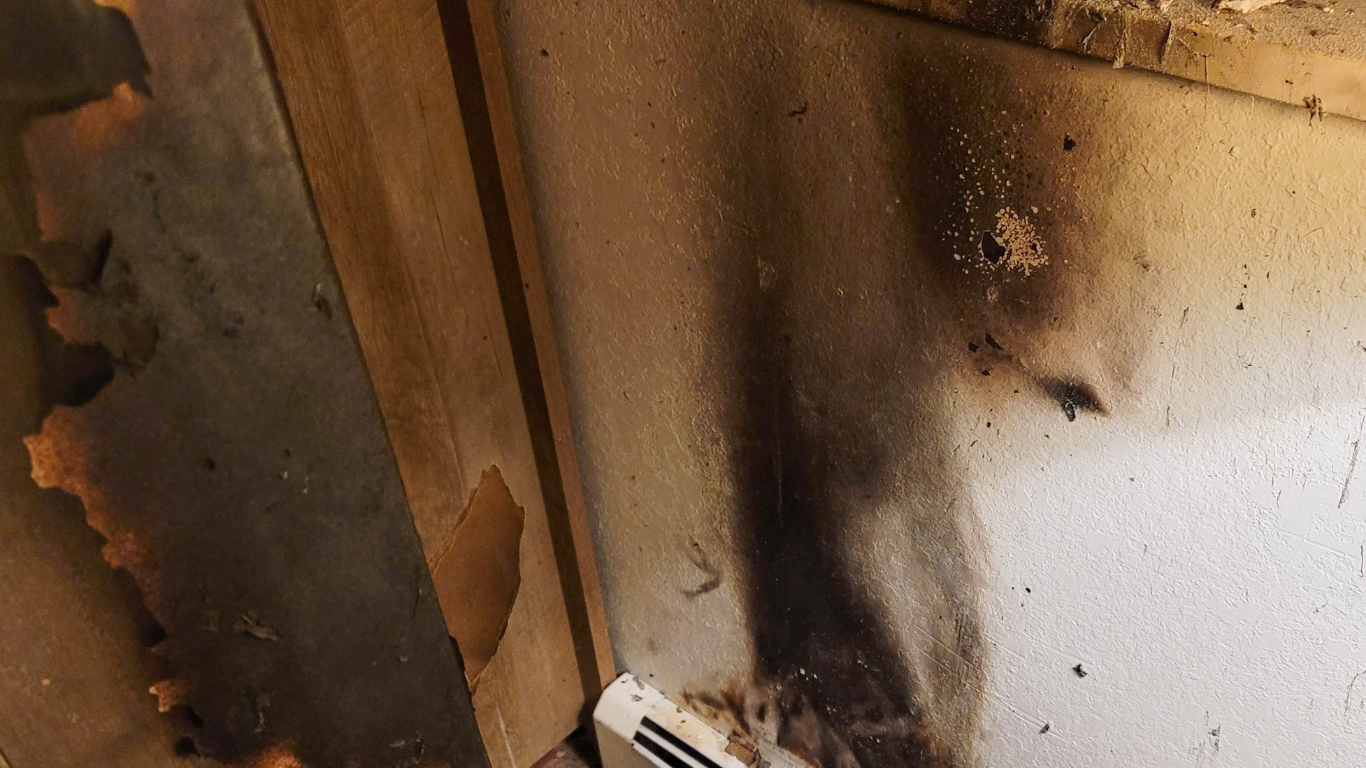
Soot removal is about physically removing the black (or gray/brown) carbon-based residue that settles on surfaces. Soot is often oily, acidic, and abrasive, meaning it can stain, corrode metals, etch glass, discolor paint, and permanently damage items if it’s smeared or cleaned improperly.
In plain terms: smoke is the “everywhere” problem, soot is the “on the surface” problem. Most fire damage restoration projects need both.
Why smoke is so hard to get rid of
Smoke doesn’t just hang in the air and disappear. It migrates. It gets pulled into returns, settles into porous materials, and leaves behind particles that continue to off-gas odor for weeks or months if not treated correctly.
Common smoke-related pain points homeowners notice include:
- Persistent odor that comes back on humid days or when the AC turns on
- Film on windows and walls that seems to reappear after cleaning
- Respiratory irritation or headaches when spending time indoors
- HVAC contamination that spreads smell room-to-room
A successful smoke cleanup process will usually require an approach that focuses on removing the source of the problem instead of just covering up the smell.
Why soot removal is not “just wiping it down”
Another element of fire damage restoration which tends to be overlooked is the soot. While you may think of reaching for your cleaning rag first, it will do little more than smear the soot further, since soot is often greasy and extremely fine.
Beyond the mess, soot is also chemically aggressive. Depending on what burned (plastics, wiring, upholstery, wood), soot can be more acidic and more damaging to finishes and metals.
Soot removal is especially important on:
- Walls and ceilings (to prevent staining and permanent discoloration)
- Cabinetry and countertops (where residue can cling to seams and edges)
- Electronics (where corrosive particles can shorten lifespan)
- HVAC vents and returns (where soot can recirculate)
When done professionally, soot removal is a controlled process designed to lift residue without grinding it in or spreading it to clean areas.
What happens if you only do one and not the other?
This is what causes most recoveries to get derailed after fires. While one can clean soot from surfaces, failure to address the smoke odor will mean your house looks better but still smells burnt. Conversely, focusing on smoke odor while omitting soot removal will lead to stains and surface corrosion.
Here’s how that can play out:
Scenario A: Soot cleaned, smoke ignored. The walls look better, but the smell comes back. Fabrics still have a scent, and the HVAC spreads contaminants. You may notice it most when the home is closed up or after rain and humidity.
Scenario B: Odor treated, soot ignored. The smell fades temporarily, but stains bleed through paint, residue transfers to hands and clothing, and sensitive surfaces continue to deteriorate.
The best results come from a coordinated approach as part of full fire damage restoration, addressing what you can see and what you can’t.
How professionals approach fire damage restoration (and why it matters)
A thorough firethorough fire restoration strategy begins by determining the type of fire and the extent of smoke spread (protein, electrical, plastic, or wood). Once that is determined, the process of containing, cleaning, and deodorizing can be done accordingly.
At Emergency & Mold, fire damage restoration often overlaps with other essential services because fires rarely cause a single type of damage. For example:
- Water Damage Restoration and Water Extraction may be needed after firefighting efforts soak floors, drywall, and insulation.
- Leak Detection can help identify hidden plumbing or roof issues that appear after emergency response or storm-related fires.
- Reconstruction Services may be required when materials can’t be restored and need to be rebuilt safely.
- Odor Removal is often the “finish line” that helps a home feel livable again once cleaning is complete.
It’s also worth noting that moisture after a fire can create a new problem: mold. If materials stay damp, Mold Removal & Remediation may be needed to prevent additional damage and protect indoor air quality.
Actionable steps to take right after a fire
If you’re in the early days after a fire, the goal is to prevent soot from spreading and keep smoke residue from settling deeper into porous materials. A few careful steps can make a difference while you’re waiting for help.
- Avoid dry sweeping or vacuuming soot with a standard household vacuum. This can push particles into the air and damage the vacuum.
- Don’t wash soot-stained walls with water or household cleaners unless advised, smearing can set stains.
- Limit airflow that spreads contamination (for example, running fans without a plan can move soot to clean rooms).
- Change your HVAC settings carefully; if you suspect smoke traveled through vents, running the system can circulate odor and particles.
- Document visible damage with photos, including affected rooms and belongings, before major cleanup begins.
If your property also took on water, whether from hoses, sprinklers, or a storm event, prioritize drying quickly. Water Extraction and Water Damage Restoration
Where smoke removal ends and odor removal begins
“Smoke removal” and “odor removal” are often confused, but they aren’t the same. Smoke removal is about removing smoke particles and residues. Odor removal means getting rid of bad smells after cleaning. This is important for porous materials and hard-to-reach spots.
Think of it this way: the soot is the stain, the smoke is the dispersion, and the smell is the memory left over from the residue. Deodorization is most effective after cleaning. For this reason, smoke removal and odor removal go hand in hand in fire restoration work.
When soot and smoke damage isn’t from a fire inside your home
Not all smoke and soot problems come from a major house fire. Wildfires, kitchen fires, fireplace problems, or storms can send smoke into a home. This can happen even if there’s no burn damage. In those cases, the need for Soot Removal or Smoke Removal may be limited to certain rooms. The same principles still apply: safely remove residue, then tackle odor and air quality. And if a storm caused structural openings or water intrusion, along with smoke exposure, Storm Damage Restoration may be part of the home’s stabilization before deeper cleaning and repairs.
After fire damage, it’s tempting to focus on what looks worst, but the most stubborn problems are often invisible. Soot removal restores surfaces and prevents staining and corrosion, while smoke removal addresses the particles and contamination that travel throughout the home. When both are handled together, along with water damage restoration, odor removal, and reconstruction services when needed, you’re far more likely to get back to a home that looks normal, smells clean, and truly feels safe to live in.
For professional help with soot removal, smoke removal, storm damage restoration, water damage restoration, odor removal, or reconstruction services, contact Emergency & Mold Specialists today. Our team can help restore your home safely, thoroughly, and efficiently.
To stay current with us, please follow our Facebook page.