Water Damage Restoration Florida Homeowners Guide How to Respond in the First 24 Hours
Water can quickly escalate from a “minor inconvenience” to significant damage to your home, particularly in Florida, due to the combination of weather, humidity, and old plumbing that can lead to minor leaks that turn into wet drywall and swollen floors. Luckily for you, early action can pay huge dividends, and no expert knowledge is required.
This water damage restoration Florida guide focuses on what to do in the first 24 hours: how to protect your family, limit damage, and reduce the chances of mold. You’ll also learn when it’s time to bring in professional help for water extraction, leak detection, and full water damage restoration.
Why the first 24 hours are so critical in Florida
Florida houses must contend with a formidable trio: heat, humidity, and storms. This allows for quick and easy movement of moisture and rapid mold growth. Despite moisture being seemingly contained, it may actually move beneath floors, inside walls, and even behind baseboards.
Common early problems homeowners run into include:
- Hidden moisture: Water wicks into drywall and insulation, often beyond the visible wet area.
- Electrical risk: Water near outlets, appliances, or breaker panels can be dangerous.
- Rapid odor and contamination: Standing water and wet materials can develop odors quickly, especially if the source isn’t clean.
The goal on the first day is simple: stop the source, stay safe, remove water, and start drying correctly. If you do those four things well, you’ll usually save more materials and avoid bigger repairs later.
Immediate safety steps before you touch anything
Upon noticing water damage, one may be tempted to move objects immediately. One needs to pause a bit and assess the danger first.
1) Watch for electrical danger. If water is near outlets or light fixtures, or if you hear buzzing, do not step into the area. If it’s safe to access your breaker panel, shut off power to the affected rooms. When in doubt, wait for a professional.
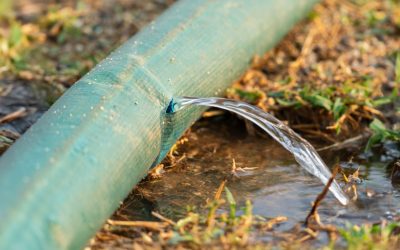
2) Identify the water source. A supply line leak, overflowing appliance, roof intrusion, or storm flooding each requires a different response. If it’s a plumbing issue, shut off the home’s water valve (or the fixture if you know where it is).
3) Consider contamination. In case the water was from external flooding, drain backup, or anything that is visibly or odorously dirty, minimize exposure. Do not allow children and pets to go near. This is one scenario wherein it might be best to resort to professionals.
Water damage restoration for Florida homeowners: what to do in the first 24 hours
Below is a practical, time-based plan. Every step isn’t applicable in all situations, but it’s a good checklist for most homeowners in Florida facing leaks and water intrusion from storms.
0–2 hours: Stop the damage and document it
Stop the source. Shut off the water if it’s a plumbing leak. If it’s storm damage, safely place buckets under drips and move valuables away from the affected area.
Document everything. Take clear photos and short videos of:
- The source area (leaking pipe, wet ceiling, soaked carpet, etc.)
- Damaged walls, floors, baseboards, and furniture
- Any standing water depth (use a ruler or object for reference)
This documentation is helpful for your own records and can support any claim process.
2–6 hours: Start removing water and protecting materials
Remove standing water. If it’s a small, clean-water event, you may be able to mop and use a wet/dry vacuum. For larger volumes, calling a professional water extraction service is usually the fastest way to prevent spread into adjacent rooms.
Move what you can safely. Raise the furniture legs from wet surfaces using small pieces of wood or aluminum foil. If there is heavy carpeting that is thoroughly wet, do not remove the carpeting by yourself.
Begin air flow. Operate fans and air conditioning systems when it is safe, and electricity is available. Leave all interior doors open for air flow. 1In Florida, drying can be a battle against moisture levels, so airflow is very important.
6–12 hours: Check for hidden spread and lingering leaks
This is the time when most of the homeowners find themselves surprised. Even though the wet appearance may seem to improve, the moisture may still be moving around.
Find the signs:
- Soft or swollen baseboards
- Bubbling paint or discoloration on drywall
- Musty smells are starting to form
- Warm, damp spots on the flooring beyond the original area
If you can’t clearly identify where the water is coming from, or if you suspect it’s inside a wall. Professional leak detection can prevent repeated soaking and stop the cycle before it becomes a long-term issue.
12–24 hours: Decide what needs professional restoration
By the end of the first day, you should make a realistic call: Is this drying normally, or are you dealing with a deeper problem?
It’s time to consider professional water damage restoration if:
Water reached the drywall, insulation, or multiple rooms
- Floors are buckling, cupping, or separating
- You suspect contaminated water (storm flooding, sewer backup)
- There’s a persistent musty odor or visible spotting
- It is impossible to dry the space using typical household tools thoroughly
Restoration goes beyond water removal. It involves proper drying of the structure, preventing mold growth, and reconstructing areas that cannot be salvaged.
Common mistakes that make water damage worse
Most “bad outcomes” come from understandable choices people make when they’re trying to act quickly. Here are a few missteps to avoid.
Relying on one fan and hoping for the best. Florida humidity can keep materials damp even when surfaces feel dry. If moisture remains inside walls or under floors, mold and odor problems become much more likely.
Painting over stains too early. Water marks on ceilings and walls often return if the material isn’t fully dried and treated. Covering it up can trap moisture and delay the real fix.
Ignoring smells. A musty odor is often an early warning. Professional odor removal may be needed after drying, especially if water has sat for a while or reached porous materials.
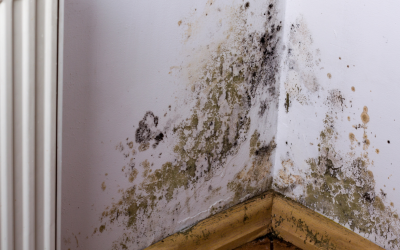
Waiting too long to address mold risk. If you notice growth or believe it is beginning to occur behind the walls, it is better to use mold removal and remediation services rather than trying to clean it yourself.
When the cause is storm, fire, or smoke, related damage to watch for
Florida water damage isn’t always “just water.” Hurricanes and severe storms can drive rain into attics and wall cavities, and wind damage can open pathways that keep letting moisture in. In those cases, storm damage restoration may include drying, cleanup, and stabilizing affected areas so the home can be repaired properly.
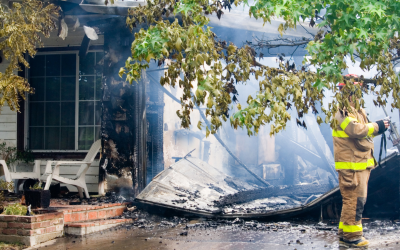
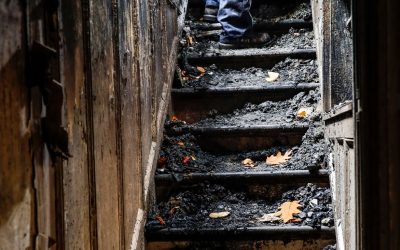
If your water damage is related to a fire event, such as sprinklers, firefighting efforts, or a kitchen incident , there may also be smoke residue and odors. That’s where fire damage restoration, smoke removal, and soot removal become important alongside drying. Smoke and soot can settle into porous surfaces and HVAC pathways, and the longer they sit, the harder they can be to remove fully.
Actionable checklist: what to do today (and what to leave alone)
If you want a simple, practical wrap-up, use this as your “do/avoid” list.
- Do: Shut off water if plumbing is involved and keep people away from electrical hazards.
- Do: Take photos/videos before moving too much.
- Do: Remove standing water quickly; call for water extraction if it’s more than you can handle fast.
- Do: Run AC and fans for airflow if safe.
- Do: Watch for swelling, soft drywall, and musty odors as signs of hidden moisture.
- Avoid: Tearing into walls unthinkingly, hidden wiring, and contamination risks are real.
- Avoid: Sealing or painting over damp materials.
- Avoid: Assuming “dry to the touch” means fully dry.
As far as the drying process is concerned, hiring professionals will turn “months of headaches” into an organized, documented process for restoring the stall, with additional services for drying and structural repair.
Water damage can seem daunting at times, but there is only a 24-hour window to handle it effectively. Keep in mind that safety should be a priority: locate the source, drain the water, and exercise caution when dealing with hidden moisture, especially given the high humidity here in Florida. If you’re already noticing water penetrating your property, or you’re facing storm damage, contaminated water, or unpleasant smells, the best thing to do is call the experts to restore your property quickly.
To stay current with us, please follow our Facebook page.