Fire Damage Restoration Checklist for Florida Homeowners After a House Fire
The first hours after a house fire become extremely difficult to handle in Florida. The combination of heat, humidity, and storms creates conditions that worsen fire damage, turning it into water damage, mold, and unpleasant odors. A clear checklist helps protect your family. The system records all events as it guides you through the home repair process, providing essential instructions.
This fire damage restoration checklist is for Florida homeowners who need simple, easy-to-understand advice. It will help you stay organized, avoid mistakes, and know when to call in professionals for fire damage restoration, smoke removal, soot removal, odor removal, and repairs.
Immediate safety checklist (first 0–24 hours)
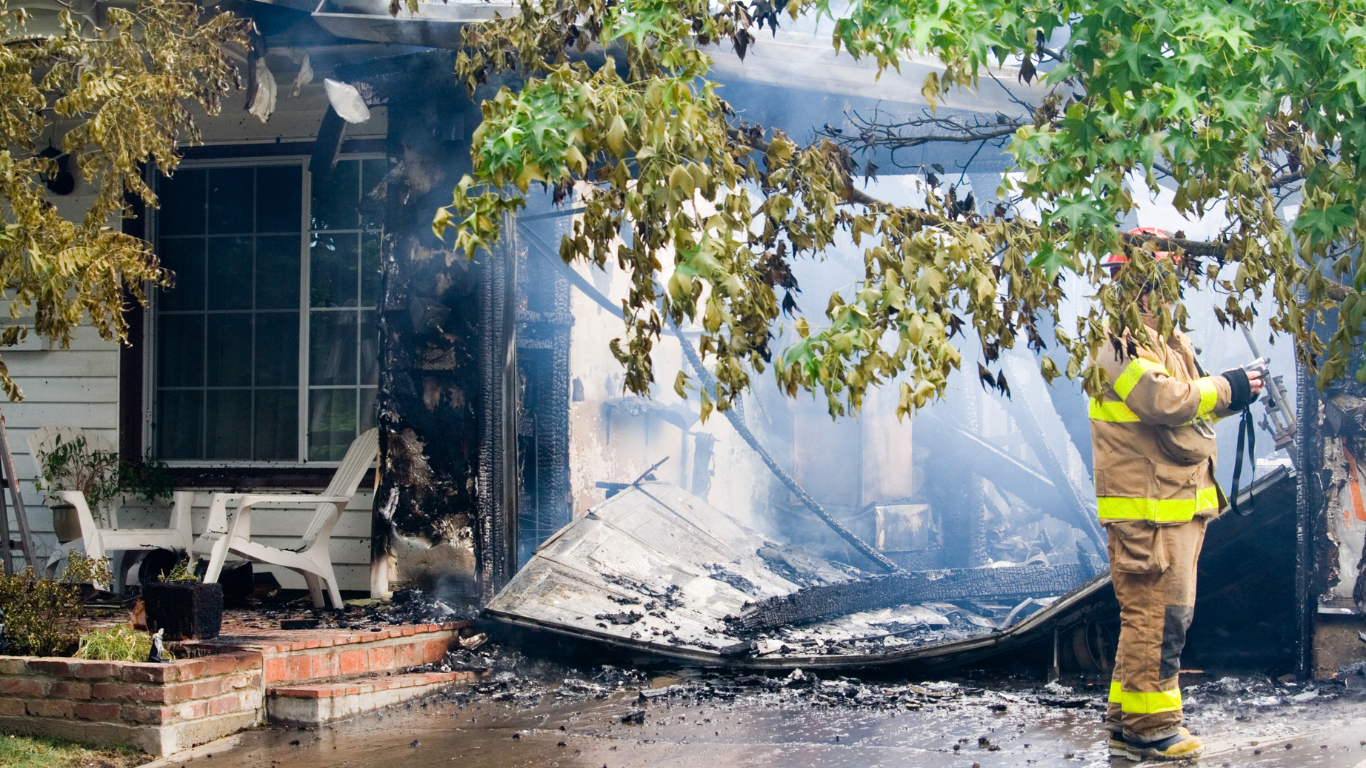
Before starting any cleanup efforts, however, it’s important to take steps that ensure both your safety and the stabilization of your home. Even a “small” fire can compromise the stability of the framing, damage wiring, and coat surfaces with soot.
- Do not re-enter until cleared. Wait for the fire department or building officials to confirm it’s safe. Hidden hot spots, structural instability, and toxic residues are real risks.
- Shut off utilities if instructed. If authorities advise it, keep electricity and gas off until a qualified professional confirms systems are safe.
- Immediate water problems require a solution. Firefighting water can flood rooms, soak insulation, and seep under flooring. Water extraction and water damage restoration work should begin when people discover standing water.
- Ventilate only if appropriate. If the structure is safe and the weather allows, light ventilation can help, but avoid running HVAC systems that may spread soot and smoke particles.
- Protect children and pets. Keep them away from the site. Soot and ash can irritate lungs and skin, and debris can be sharp or unstable.
Document everything for insurance (before you move items)
It’s tempting to start throwing things away. In most cases, you’ll want to document first so your claim has the best chance of being processed smoothly.
- Take wide and close-up photos. Capture every room from multiple angles, plus close-ups of burned materials, smoke staining, and water damage from firefighting efforts.
- Record a quick video walkthrough. Narrate what you’re seeing (smoke odor, soot on walls, wet carpet, damaged cabinets). This can be helpful later when details fade.
- Create a basic inventory. List the major items that are damaged or missing, if you can, including approximate purchase dates and values.
- Save receipts from emergency expenses. Hotel stays, temporary repairs, tarps, and fans. These costs may be reimbursable depending on your policy.
You need to photograph items before they are removed. You need to create a basic record detailing the items that were taken from their original locations.
Fire damage restoration checklist for Florida homeowners
The conditions in Florida accelerate damage that occurs after a fire. The combination of humidity and warm temperatures allows moisture to penetrate materials, making odors more difficult to manage. The checklist helps you choose the right tasks and execute them in the correct sequence.
- Schedule a professional assessment. Fire damage isn’t just what you can see. A proper evaluation looks at structural impact, smoke migration, soot residues, and moisture trapped behind walls.
- Secure the property. Board-up and temporary protection may be needed to prevent further damage and keep the home safe until repairs begin.
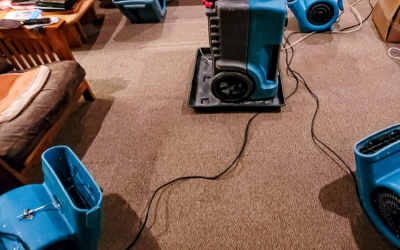
- Remove standing water and dry the structure. If water was used to put out the fire, start with water extraction, then drying and dehumidification as part of water damage restoration.
- Handle soot safely. Soot is oily and can smear when wiped incorrectly. Professional soot removal focuses on removing residues without driving them deeper into porous materials.
- Plan for smoke removal. Smoke often travels into closets, attics, and HVAC pathways. Effective smoke removal addresses both visible staining and microscopic particles that continue to smell.
- Target odor at the source. Covering the smell of smoke with fragrances rarely works in the long term. True odor removal focuses on cleaning and treating affected materials so odor doesn’t return with humidity swings.
- Watch for mold growth. In Florida, wet building materials can quickly develop mold. If water damage occurred, monitor for musty smells or spotting and be ready for mold removal & remediation.
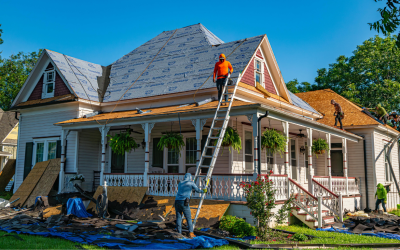
- Plan reconstruction steps. After cleaning and drying, repairs may include drywall, flooring, cabinetry, and paint. Reconstruction services help restore the home to a safe, livable condition.
What to do with belongings: save, clean, or discard
Not everything needs to be thrown away, but not everything can be safely saved either. The rule states that if an item contains porous material and shows severe smoke damage, restoration becomes more difficult.
- Hard, non-porous items often clean well. Glass, metal, and many plastics may be salvageable with proper cleaning to remove soot film and odor.
- Porous items can trap smoke and soot. Upholstery, mattresses, pillows, and some papers may hold odor deeply. In humid weather, smells can “re-bloom” even after surface cleaning.
- Be careful with electrical equipment. Soot can be abrasive. Your equipment may be working now, but deposits inside can cause problems down the road. Take pictures and talk about what to do next.
- Food and medication should generally be discarded. Heat and smoke can affect their packaging. If unsure, throw out to be safe.
If you’re unsure, set questionable items aside until a restoration professional can advise whether cleaning, deodorizing, or replacement makes the most sense.
Common mistakes that slow recovery (and how to avoid them)
After a fire, well-intentioned actions can inadvertently make cleanup more difficult or increase costs. Here are the issues Florida homeowners run into most often.
- Dry-wiping soot off walls. This can smear stains and push residues into paint and drywall. It’s better to leave soot in place until proper soot removal begins.
- Running the HVAC system too soon. This may spread smoke particles throughout the home. Wait until the system is inspected and the home is ready for smoke removal steps.
- Ignoring moisture because “the fire is out.” Water from suppression can soak subfloors and wall cavities. Without prompt water damage restoration, the risk of mold increases.
- Masking odors instead of removing them. Air fresheners don’t solve smoke contamination. Source-based odor removal is what prevents the smell from returning.
- Delaying temporary protection. Florida rain and storm activity can quickly worsen damage. If the home is exposed, act fast to reduce the chance you’ll also need storm-related repairs.
Actionable 48-hour plan: a simple timeline you can follow
The timeline will help you get out of the “What just happened? mindset, to help you easily prioritize tasks, and to create a recovery plan.
- First few hours: Check everyone’s safety, follow re-entry advice, take pictures of damage, and call your insurance carrier.
- Same day: If there’s standing water, arrange water extraction. If the structure is exposed, secure openings to prevent additional damage.
- Day 1–2: Begin professional fire damage restoration planning, smoke removal, soot removal, and odor removal should be coordinated with drying efforts, so you’re not re-contaminating cleaned areas.
- By the end of 48 hours: Confirm the next phase: cleanup scope, drying targets, and a preliminary reconstruction services plan if materials must be removed and rebuilt.
This approach reduces the chance of lingering smoke odor, staining that sets in, or mold issues caused by trapped moisture.
When storm damage and leaks complicate fire cleanup
A house fire can feel overwhelming, but you do not have to handle the next steps alone. With a clear checklist, you can focus on safety first, take photos for insurance, remove water, dry the home, clean smoke and soot, control odors, and plan repairs.
In Florida, quick action is very important because heat, humidity, leaks, and storms can make the damage worse. Taking the right steps early can help protect your home and make the fire damage restoration process smoother. For expert help, contact Emergency & Mold Specialists today. Our team is ready to guide you through every step of the fire damage restoration process.
To stay current with us, please follow our Facebook page.